 Back and Next - Back and Next
SWAZILAND: Every third woman sexually abused as a child, says report
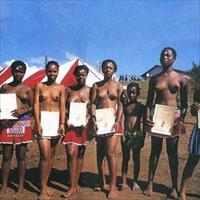
One in three Swazi women has suffered some form of sexual abuse as a child; one in four experienced physical violence, a new United Nations survey revealed this week.
The study by the UN Children's Fund (UNICEF) is the first of its kind conducted in a country where anecdotal evidence suggests an alarming number of female children are victims of abuse. More disconcertingly still, the mushrooming population of orphans and vulnerable children in Swaziland provide yet more opportunities for sexual exploitation to occur.
In two years, 200,000 Swazi children will have been orphaned by AIDS - more than one-fifth of the current population, according to UNICEF. With HIV prevalence at 33.4 percent among people aged between 15 and 49, the country has the world's highest infection rate. As a result, life expectancy has halved from nearly 60 years in the 1990s to just over 30 years today.
"Disabled children, children out of school and orphans are some of the most vulnerable groups," said Jama Gulaid, UNICEF representative in Swaziland. "Poverty and the high prevalence of HIV create high numbers of marginalised children."
The survey, the National Study on Violence Against Children and Young Women, based its findings on interviews among rural and urban communities. Disturbingly, it concluded that violence and sexual assault against girls primarily took place at home.
"We found that 75 percent of the perpetrators of sexual violence were known to the victim," Gulaid said. "It is not surprising that sexual abuse of girls is a household problem, because Swazis reside in multi-generational homes, usually isolated farms. Relatively few girls are raped by strangers in towns because less of the population resides in towns, and there is a heightened awareness of security there".
Rapists don't use condoms
Often the abusers are the girls' own fathers and boyfriends. Only 43.5 percent of girls said their first sexual experiences were freely willed and devoid of coercion: a little less than five percent said they had been introduced to sex as rape victims.
Underscoring the urgency of addressing violence against girls was the AIDS crisis.
"Rapists don't use condoms, and if a father or uncle are so inclined to rape a daughter or niece, or a boyfriend forces himself on his girlfriend, the danger of HIV transmission is rife," said Victor Ndlovu, a voluntary testing and counseling officer in the central commercial town of Manzini. "Add to that the reluctance of girls to report abuse or in many instances to rightly understand they have been violated, we are faced with a serious public health challenge, aside from the individual suffering incurred by the girls."
A third of Swazi females interviewed for the study reported they had experienced emotional abuse. Often, the perpetrators had been abused themselves as children.
"The established 'hand me down' passing on of abuse is evident from what we were told," said Pamela Dlamini, a sociology student at the University of Swaziland, who was one of the survey interviewers. "Emotional abuse of girls is mostly carried out by the girls' female relatives, who were abused themselves. Sometimes there is jealousy. Instead of reporting an abusive husband or unable to police [the girl], the girl's mother or aunt will treat the girl as a rival. This comes from a culture where any post-pubescent girl is considered eligible for marriage in a polygamous household, even if she is 13, although Swazi culture does not allow for the incest we find rampant in households where abuse occurs."
Although officially a middle-income country, the UN Development Programme estimates more than two-thirds of Swazis live in chronic poverty, about the same number - over 600,000 - currently depend on food assistance from the World Food Programme and other donor groups.
The report noted that "Violence can damage the emotional, cognitive and physical development of children and thereby impact economic development of Swaziland by degrading the contribution of affected children".
The way forward
Less than half of sexual assaults and other abusive crimes are reported to the authorities. Swazi children were found to have sought help from the police or social welfare counselors in only one out of five cases that resulted in injury serious enough to consult a doctor.
The way forward appears to be through education, instructing girls about what constitutes abuse. "I spoke with many girls who said they did not understand that they had been abused. They felt abused, physically and psychologically, but no one told them this was not normal," said Dlamini.
The report backed Dlamini's observation, noting, "The numbers suggest a lack of understanding of what sexual violence is and how and where to report such incidents".
Educational programmes in schools would assist in a country where primary school attendance is relatively widespread, and instruct girls on the type of behaviour acceptable when they return home.
"The large numbers of sexual violence incidents happening in the home underscores the hidden nature of sexual violence and presents one of the largest challenges in preventing sexual violence in Swaziland," the report said.
 See Also - See Also
See Also
- DRC: Rape crisis set to worsen amid Kivu chaos
- SUDAN: Too scared to tell - sexual violence in Darfur
- MAURITANIA: Justice not working for rape victims
- SOMALIA: Increased sexual violence raises HIV concerns
- Over 15% of women and girls are subjected to sexual violence in the Central African Republic’s crisis zones